A living atlas of
Armenian heritage.
An open, interactive map of churches, monasteries, fortresses, and forgotten places — gathered into one quiet archive of memory.

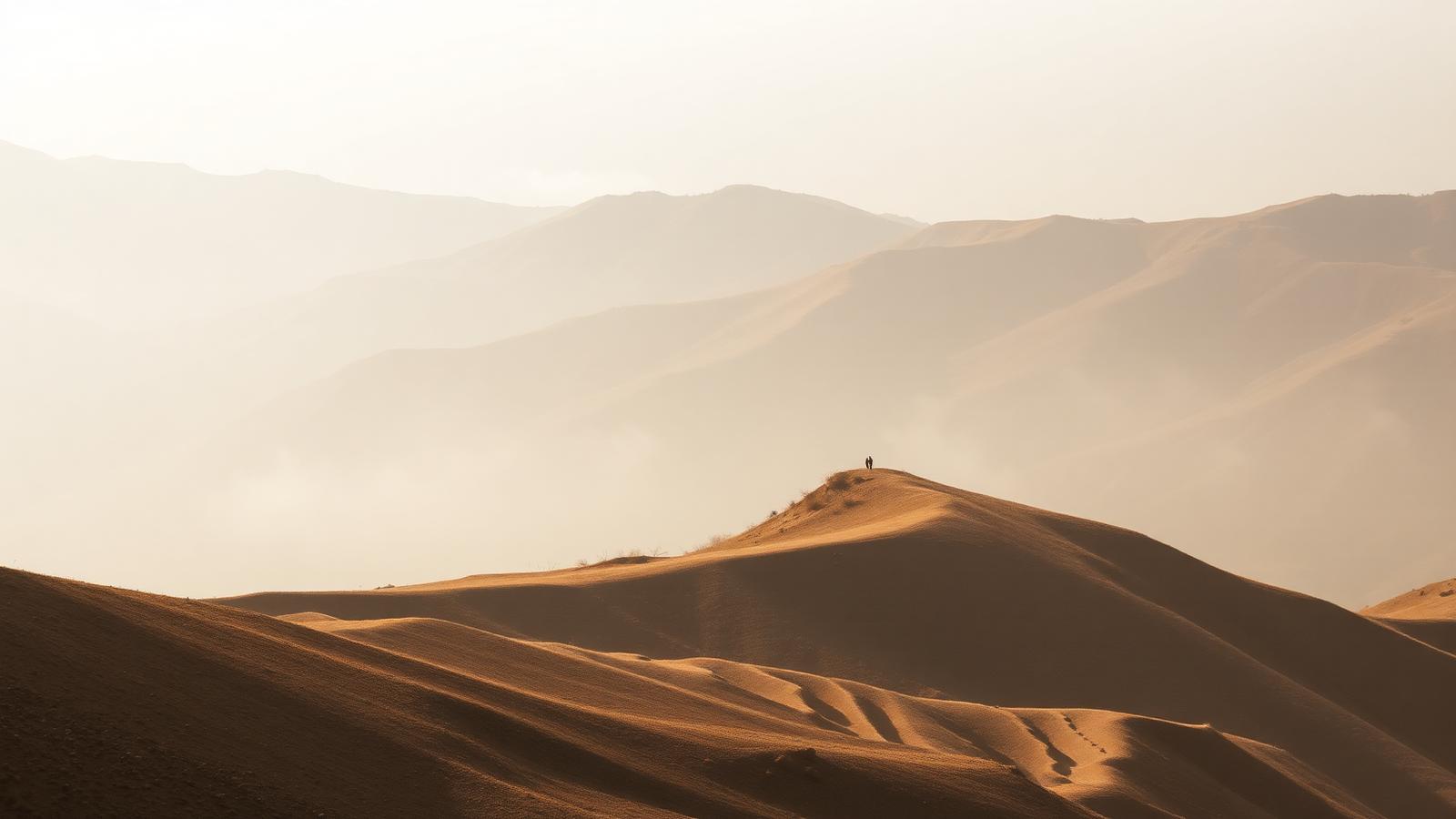
To hold memory in place.
We document Armenian heritage — sacred, civic, ancient, and modern — and ground it back in the geography it came from. The atlas gathers what is scattered, and keeps it open for everyone to walk through.
Three ways to see the archive.
Interactive map
Pan across the Armenian highland and the diaspora; every site is a place you can stand on.
Time as a layer
Move from prehistory to the present and watch the archive deepen across the centuries.
Open contribution
Scholars, locals, and the diaspora add what they know — the atlas grows with the people in it.
Places to begin with.
Garni Temple
First-century Hellenistic peripteral temple, the only surviving pre-Christian temple in the country.
Etchmiadzin Cathedral
Mother Cathedral of the Armenian Apostolic Church and one of the oldest cathedrals in the world.
Tatev Monastery
Cliffside monastery and former medieval university overlooking the Vorotan Gorge.
What guides the work.
Knowledge belongs to the people. The atlas is built transparently.
Built on citations, scholarly review, and traceable sources.
History grounded in real geography and authentic locations.
Shaped by scholars, locals, and the diaspora together.
Designed for the web, XR, and whatever comes next.
Counter-erasure through documented truth and memory.
Join the waitlist.
Be among the first to contribute sites, events, and stories to the atlas.